%2Ffit-in%2F250x250%2Fguide_websites%2F19825%2Fimages%2F1732363665061image-2024-11-23t200736.376.png&w=1920&q=100)
/users/a1373d10-a82a-4e9f-909a-f0f6c836f45a/ratecard/d1ce8a2fd552880adeaf68b0ba3a4a01-mlvsgd3a.jpeg)
%2F300x300%2Fusers%2Fa1373d10-a82a-4e9f-909a-f0f6c836f45a%2Fratecard%2Fd1ce8a2fd552880adeaf68b0ba3a4a01-mlvsgd3a.jpeg&w=256&q=75)
%2F300x300%2Fusers%2Fa1373d10-a82a-4e9f-909a-f0f6c836f45a%2Fimages%2Fflorida-fishing-trip-bounty-2396.png&w=256&q=75)
%2F300x300%2Fusers%2Fa1373d10-a82a-4e9f-909a-f0f6c836f45a%2Fimages%2Fislamorada-fishing-adventure-2701.png&w=256&q=75)
%2F300x300%2Fusers%2Fa1373d10-a82a-4e9f-909a-f0f6c836f45a%2Fimages%2Fislamorada-fishing-trip-six-fish-2643.png&w=256&q=75)
%2F300x300%2Fusers%2Fa1373d10-a82a-4e9f-909a-f0f6c836f45a%2Fimages%2Fanglers-land-impressive-catch-islamorada-2739.png&w=256&q=75)
%2F300x300%2Fusers%2Fa1373d10-a82a-4e9f-909a-f0f6c836f45a%2Fimages%2Fcatch-of-the-day-islamorada-2482.png&w=256&q=75)
%2F300x300%2Fusers%2Fa1373d10-a82a-4e9f-909a-f0f6c836f45a%2Fimages%2Fbig-fish-islamorada-cruises-fishing-2587.png&w=256&q=75)
%2F300x300%2Fusers%2Fa1373d10-a82a-4e9f-909a-f0f6c836f45a%2Fimages%2Fislamorada-fishing-expedition-catch-2417.png&w=256&q=75)
%2F300x300%2Fusers%2Fa1373d10-a82a-4e9f-909a-f0f6c836f45a%2Fimages%2Fcoastal-getaway-fl-2375.png&w=256&q=75)
%2F300x300%2Fusers%2Fa1373d10-a82a-4e9f-909a-f0f6c836f45a%2Fimages%2Fwahoo-fish-islamorada-florida-2495.png&w=256&q=75)
%2F300x300%2Fusers%2Fa1373d10-a82a-4e9f-909a-f0f6c836f45a%2Fimages%2Fislamorada-fishing-trip-2580.png&w=256&q=75)
Top-Rated 6-Hour Fishing & Sandbar Trip | Islamorada
 Islamorada
What you will be catching:
 Blue Marlin
 Cobia
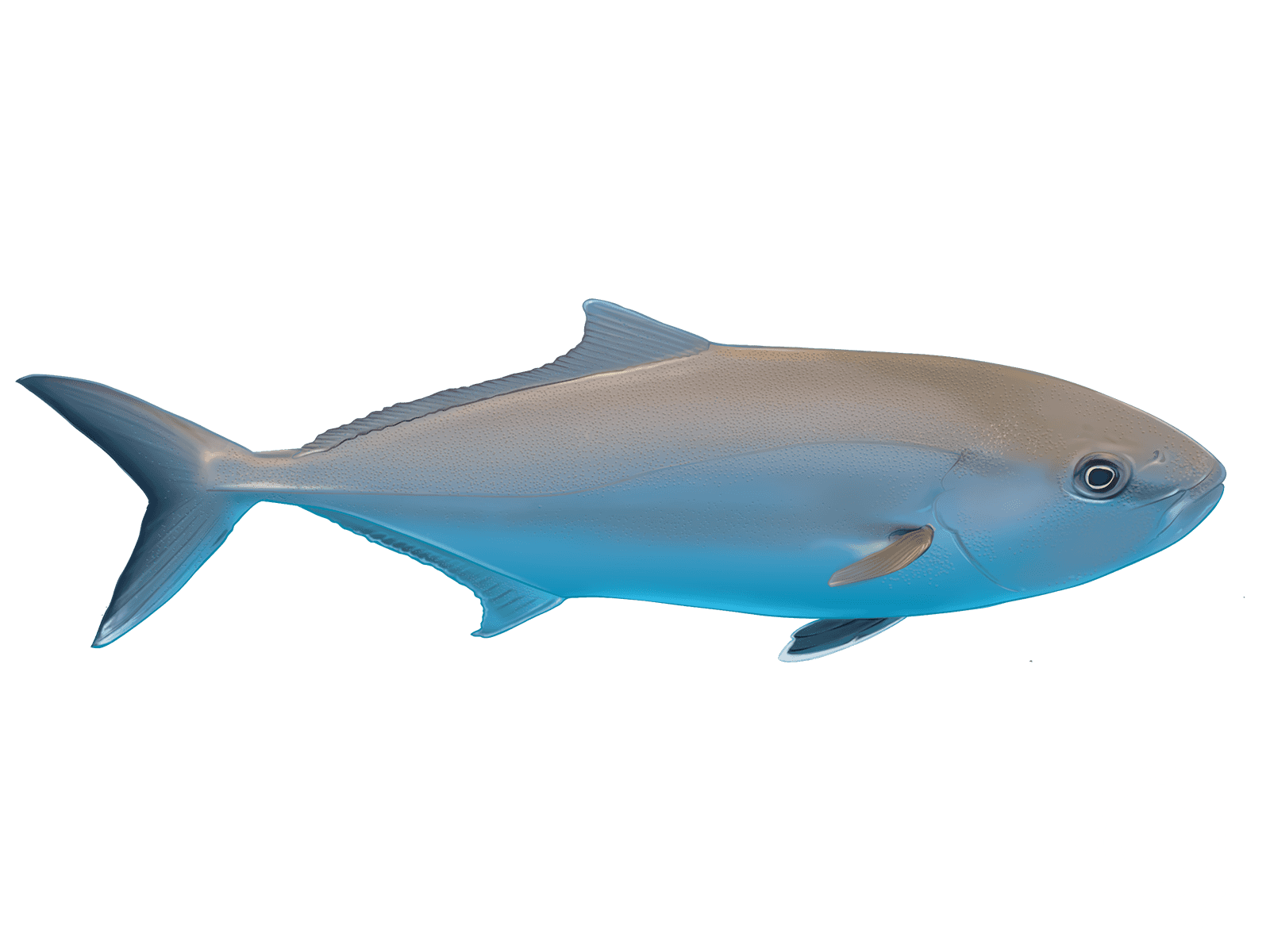
Cobia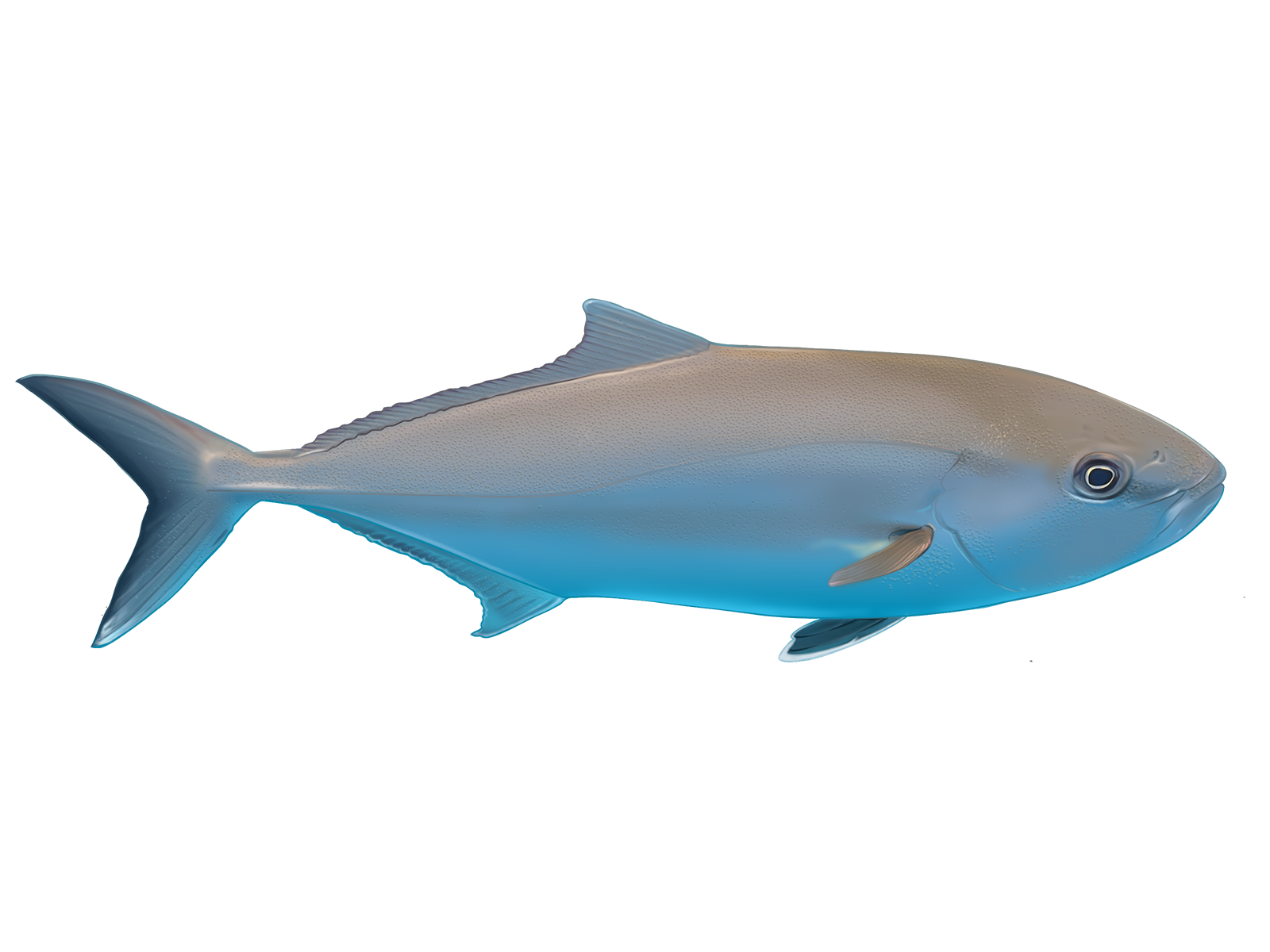 Greater Amberjack
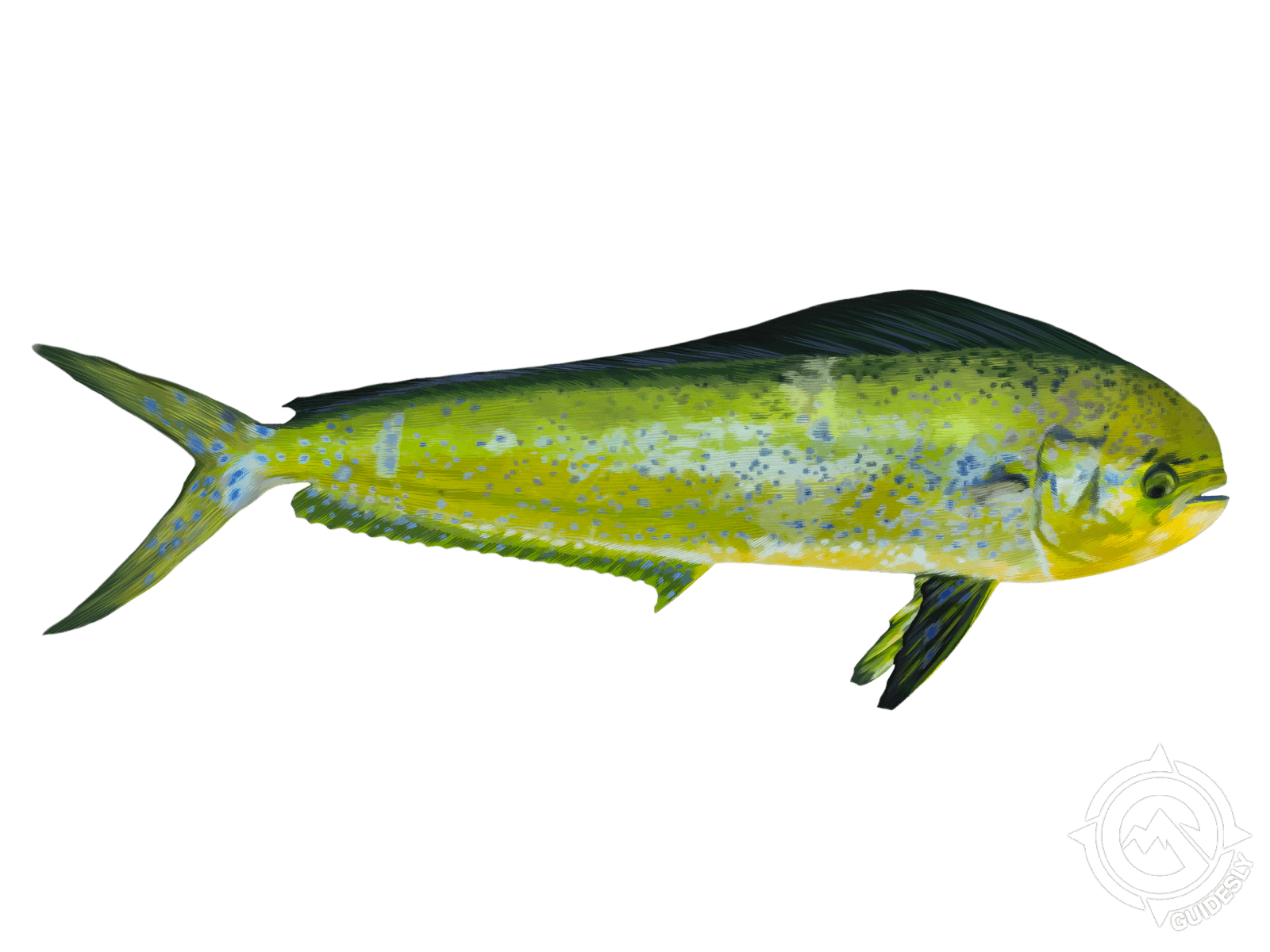
 Mahi Mahi or Common Dolphinfish
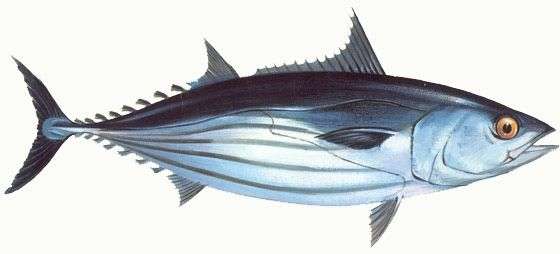
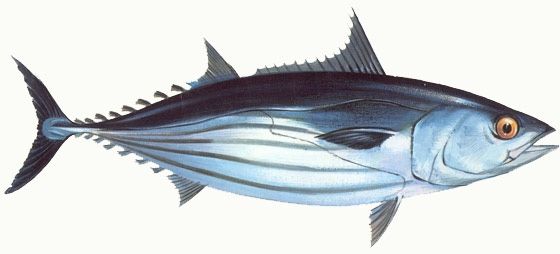 Skipjack Tuna
- 6-hour offshore fishing targeting marlin, cobia, and trophy species
- Islamorada Sandbar visit with swimming and relaxation opportunities
- Accommodates up to 6 guests with experienced local captain
Trip Pricing and Availabilities:
Extended Fishing & Sandbar Trip In Islamorada
Want the best of both worlds? This 6-hour adventure with On The Reel Charters gives you serious offshore fishing action followed by pure relaxation at the famous Islamorada Sandbar. We're talking about targeting some of the most sought-after species in these waters – blue marlin, cobia, mahi mahi, skipjack tuna, and greater amberjack – then cooling off with cold drinks and crystal-clear water at one of the Keys' most popular hangout spots. Perfect for groups up to 6 people who want to mix hardcore fishing with that laid-back island vibe everyone comes to the Keys for.
What to Expect on the Water
Your day starts early when we head out into the deep blue waters off Islamorada, known as one of the top sportfishing destinations in the world. The first half of your trip is all business – we'll be working the offshore waters where the big fish live. You'll feel the excitement build as we set up our spread and start trolling the productive waters that make this area famous among serious anglers. The Gulf Stream runs close to shore here, bringing warm water and baitfish that attract the pelagic species we're after. Once we've put some fish in the box and you've gotten your adrenaline fix, we'll make our way to the Islamorada Sandbar. This isn't just any sandbar – it's a local institution where boaters from all over South Florida come to party, swim, and soak up the sun. The water is shallow enough to stand in, crystal clear, and the perfect temperature for cooling off after a morning of fishing. Bring your own drinks and snacks since meals aren't included, and get ready to experience why locals call this spot paradise.
Trolling Tactics & Offshore Gear
We run a serious offshore spread using proven techniques that consistently produce fish in these waters. Our setup typically includes a mix of ballyhoo, bonito strips, and artificial lures designed to trigger strikes from fast-moving pelagics. We'll be trolling at varying speeds depending on conditions and what we're seeing on the fish finder. The boat carries all the heavy tackle you'll need – think 50 and 80-pound class rods rigged with circle hooks and quality reels that can handle long runs. When a marlin hits, you'll know it instantly. The reel screams, the rod bends, and your heart starts pounding. For the sandbar portion, we simply anchor up in the shallow water where you can walk around, swim, or just float with a cold one in hand. The sandbar sits in about 2-4 feet of water with sugar-white sand bottom, surrounded by deeper channels that stay that perfect Caribbean blue-green color. It's the kind of spot that shows up in vacation photos and makes everyone back home jealous.
Top Catches This Season
Skipjack tuna are the speed demons of these waters, often the first to hit your spread when you reach the right water. These fish are pure muscle, typically running 10-20 pounds, and they'll test your endurance with blistering runs and aggressive head shakes. Best time to target them is early morning when they're actively feeding on the surface. What makes skipjack special is their incredible fighting ability for their size – pound for pound, few fish pull harder. Blue marlin represent the holy grail of offshore fishing, and Islamorada waters hold some real giants. These apex predators can exceed 400 pounds and are most active during the warmer months from May through September. When a marlin crashes your spread, everything changes – this is what offshore fishing dreams are made of. The combination of size, speed, and aerial displays makes every marlin hookup a lifetime memory. Mahi mahi bring both beauty and great eating to the table, with their electric colors and acrobatic fights. These fish love floating debris and current edges, typically running 10-30 pounds in our waters. Peak season runs from late spring through fall, and they're one of the most reliable species for putting a bend in the rod. Mahi are also fantastic table fare, making them a customer favorite. Greater amberjack are the bulldogs of the deep, using their broad shoulders and stubborn nature to test your tackle and technique. These fish inhabit structure and wrecks, often running 40-80 pounds around Islamorada. They're available year-round but fish best during cooler months when they move shallower. What amberjack lack in speed, they make up for in raw power and determination. Cobia are the wild cards that can make your entire trip – these curious fish often approach the boat and provide sight-fishing opportunities that get everyone excited. Running 30-50 pounds on average, cobia are strong fighters that make long runs and aren't afraid to get under the boat. Spring migration from March through May offers the best action, when large schools move through our waters.
Time to Book Your Spot
This extended trip offers something most charters can't – the perfect blend of serious fishing and pure fun that captures what the Keys lifestyle is all about. You'll leave with fish stories, maybe some fillets for dinner, and definitely some great memories from one of the most beautiful sandbars in Florida. Whether you're celebrating a special occasion or just want to experience the best of Islamorada, this 6-hour adventure delivers on all fronts. The combination of world-class fishing and the iconic sandbar experience makes this a top-rated trip that keeps customers coming back season after season. Don't wait to book – prime dates fill up fast, especially during peak season when the fishing is hot and the sandbar is calling your name.
Learn more about the species
Blue Marlin
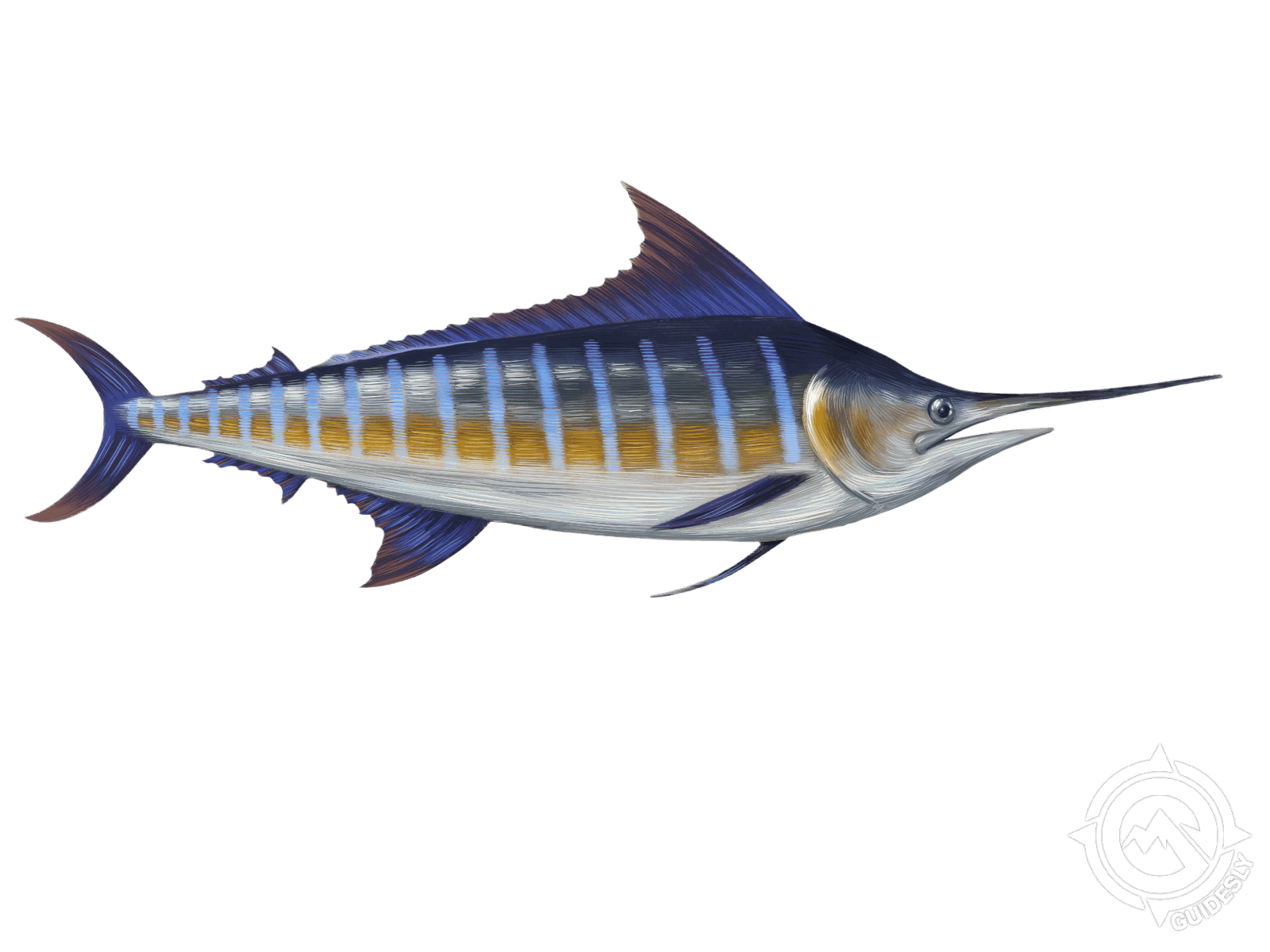
Blue marlin are the ultimate offshore prize - females can reach over 1,000 pounds while males typically stay under 350. These apex predators cruise the deep blue water along current edges and temperature breaks, hunting tuna and other pelagic species. Peak season runs April through September when water temps hit 78+ degrees. What draws anglers? The raw power, aerial displays, and bragging rights that come with landing a true giant. We fish them by trolling large ballyhoo or artificial lures at 7-9 knots in 400+ feet of water. Here's the local secret: when you get a bite, resist the urge to pull drag immediately. Let the fish eat the bait for a few seconds before setting the hook - these fish can be line-shy despite their size.
Cobia
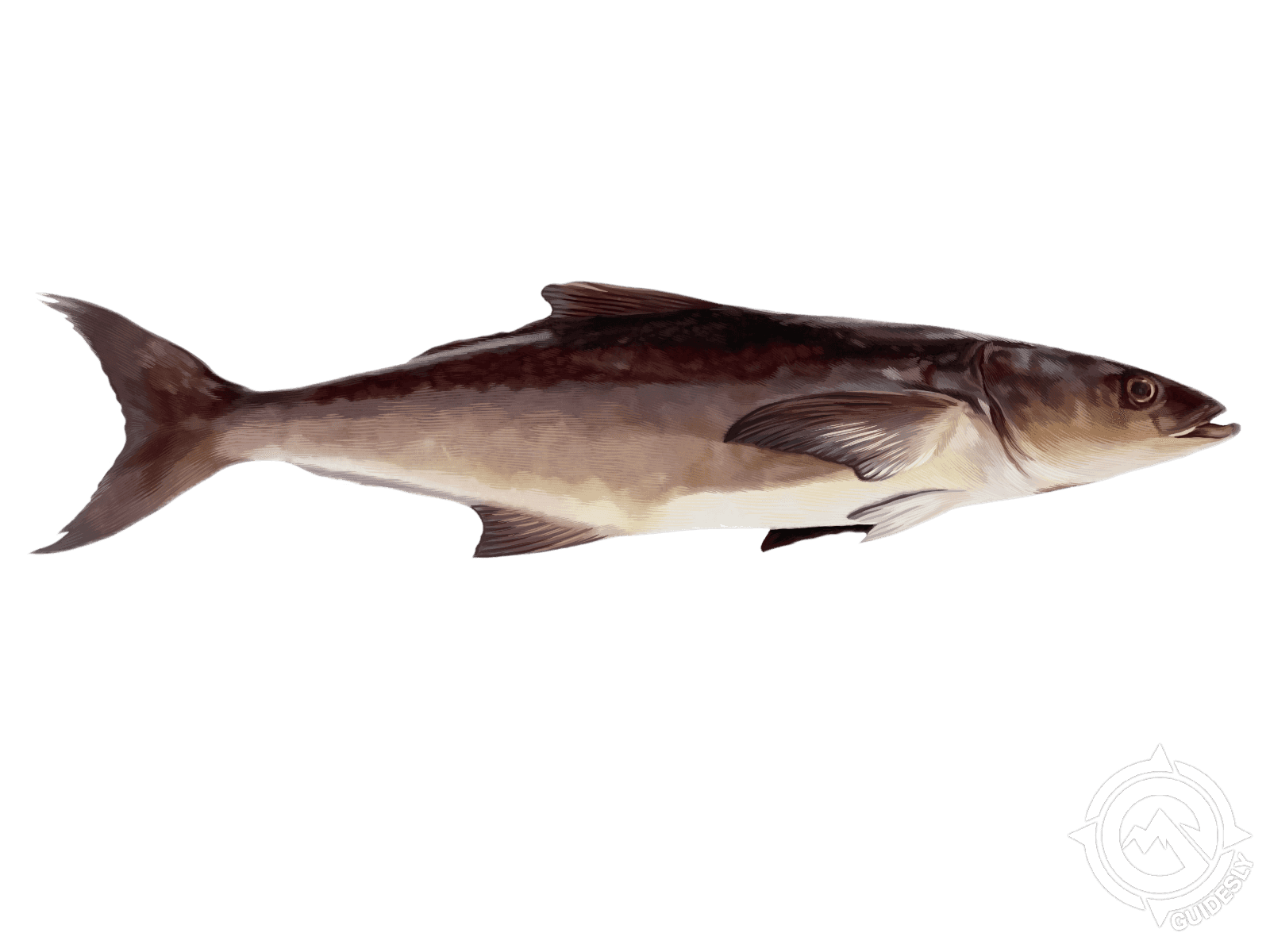
Cobia are curious, solitary fish that often cruise just under the surface like brown sharks, but that single dorsal fin gives them away. These bronze-colored fighters average 30-50 pounds and can push 100, making them one of the best eating fish in the ocean - firm, white meat with outstanding flavor. We find them around buoys, wrecks, and floating debris in 30-70 feet during their spring migration, then deeper on structure through summer. What makes cobia special is their willingness to eat and their bulldogging fight style. The secret is sight fishing - when you spot one, cast a bucktail jig or live bait well ahead of the fish and let it sink. They're naturally curious, so often they'll come right up to investigate your bait.
Greater Amberjack
Amberjack are the bulldogs of the reef - thick, powerful fish that can reach 6 feet and fight like they're twice that size. These bluish-grey bruisers with the distinctive amber stripe live around wrecks, reefs, and structure in 60-300 feet of water. Spring months offer the best fishing when they move shallow to spawn. Guests target them for the serious arm-burning fight and quality meat, though larger ones can carry ciguatera. We fish them with heavy tackle - 50-pound class gear minimum - using live bait or metal jigs dropped to the bottom. The trick with amberjack is getting them up quickly before they wrap you around the wreck. Once hooked, keep steady pressure and pump them up fast. Don't give them time to think or they'll dive straight back to structure.
Mahi Mahi or Common Dolphinfish
Mahi are the rainbow warriors of offshore fishing, flashing brilliant gold, green, and blue colors when hooked. These fast-growing fish average 15-30 pounds and rarely live past four years, but they make up for it with aggressive strikes and acrobatic fights. Look for them around floating debris, weed lines, and current edges in 100-1000 feet of water. They're most active spring through fall when water temps are warm. Guests love mahi because they're willing biters, beautiful to see, and absolutely delicious on the table - firm, white meat with a mild, sweet flavor. Pro tip: when you hook one, keep the boat moving and look for more fish. Mahi often travel in small schools, so where there's one, there's usually others nearby waiting for a well-placed bait.
Skipjack Tuna
Skipjack are fast, scrappy fighters that average 20 pounds but can surprise you with their strength. These torpedo-shaped tuna live in the upper water column offshore, usually in schools that sometimes mix with juvenile yellowfin. They're abundant year-round in our warm waters, but spring and summer offer the best action. What makes them special? They fight way above their weight class and make excellent table fare - this is actually the tuna you'll find in most canned light tuna. The key to finding them is trolling around 4-6 knots with hoochies or feathers. When you spot a school feeding on the surface, circle wide and let your baits drift through - they spook easily, so patience pays off out here.
About the Center Console Boats
%2F%2Fusers%2Fa1373d10-a82a-4e9f-909a-f0f6c836f45a%2Fvehicle_picture%2Fimage-2024-11-23t002155.367.png&w=1920&q=75)
Vehicle Guest Capacity: 6
Manufacturer Name: Mercury
Maximum Cruising Speed: 44
Number of Engines: 2
Horsepower per Engine: 400